
Thomas Hell
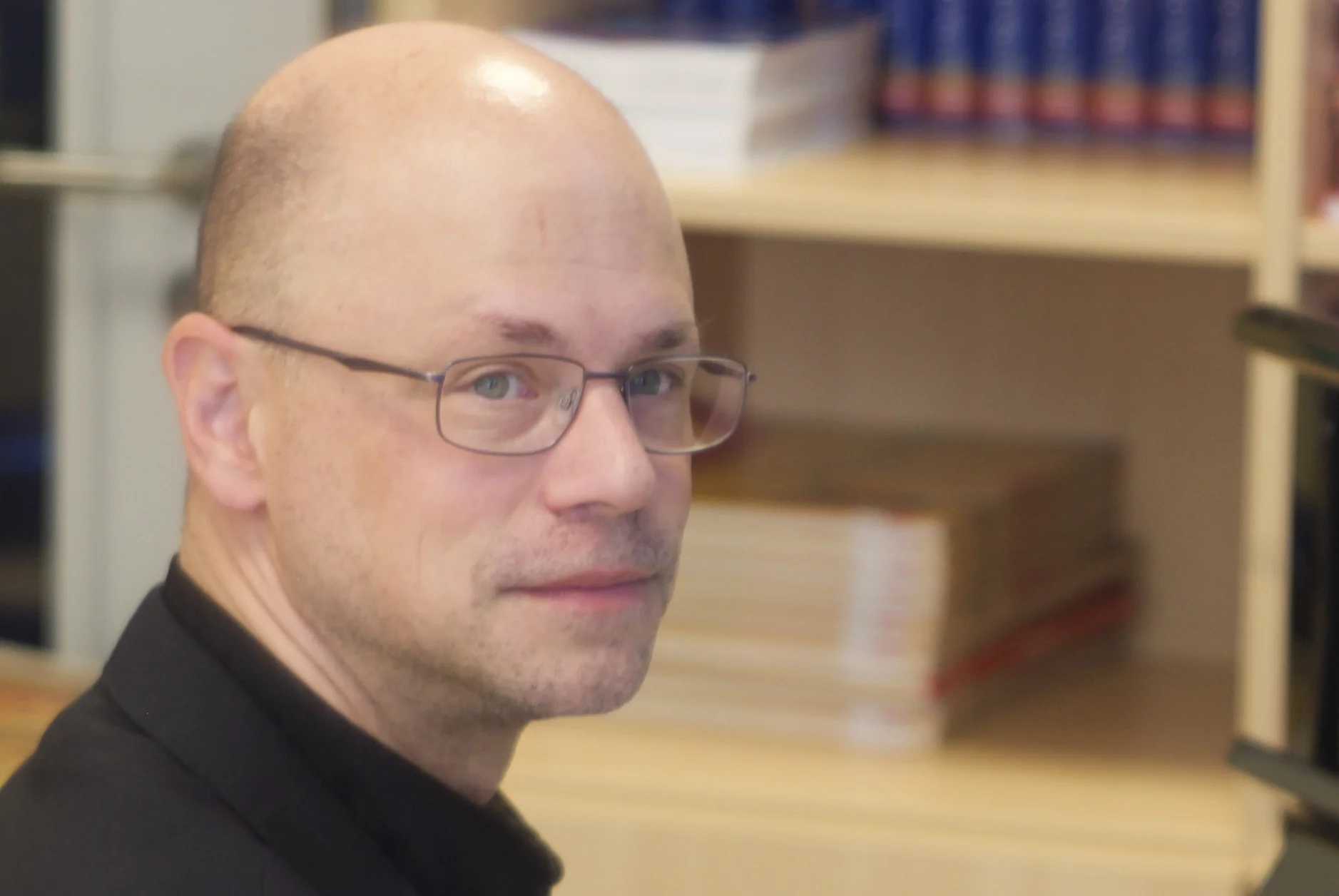
Image from Wikipedia
Image from Wikipedia
Thomas Hell: A Pianist Between Virtuosity, Sound Thinking, and Music of the 20th Century
An Artist Portrait with Analytical Depth and Great Stage Presence
Thomas Christian Friedrich Hell, born on September 22, 1970, in Hamburg, is one of the German pianists whose artistic profile extends far beyond the classical standard repertoire. His name symbolizes interpretive precision, a wide stylistic range, and a music career that interconnects concert stages, chamber music, education, and the promotion of demanding contemporary piano literature. The awards and recommendations on his official biography page already paint the picture of a musician whose work is closely followed in the professional world. ([de.wikipedia.org](https://de.wikipedia.org/wiki/Thomas_Hell?utm_source=openai))
From Hamburg to Hanover: The Musical Formation of a Specialist
Thomas Hell completed his artistic training at the Hochschule für Musik, Theater und Medien Hannover. There, he obtained his concert examination in piano under David Wilde, alongside a diploma in music theory with Reinhard Febel. This dual foundation in practice and analysis continues to shape his musical work today: Hell appears not only as a pianist with technical mastery but also as a musician with structural awareness, precisely exploring form, compositional technique, and sound dramaturgy. ([thomashell.de](https://www.thomashell.de/deutsch/biographie/))
Even during his training, a profile developed that distinctly diverges from a purely romantic virtuoso approach. Sources describe him as an artist who masters the standard repertoire as well as a significant portion of piano music from the 20th and 21st centuries. In doing so, Hell positions himself among those pianists who not only interpret but actively expand and make audible the history of the repertoire. ([thomashell.de](https://www.thomashell.de/deutsch/biographie/))
The Breakthrough: Competition Successes, International Presence, and Recognition
Thomas Hell is a prizewinner of national and international competitions, particularly highlighted by the first prize at the Concours International de Piano d’Orléans. This success marked an important step in his artistic career and opened the path to a solo and chamber music activity that has taken him to numerous European countries, as well as to Japan and Russia. Such a career trajectory not only demonstrates technical sovereignty but also the international connectivity that is crucial in the classical music landscape. ([thomashell.de](https://www.thomashell.de/deutsch/biographie/))
The official website also refers to performances with orchestras such as the New Japan Philharmonic, the Göttinger Symphonie Orchester, the Noordhollands Philharmonisch Orkest, and the Orchestre symphonique d’Orléans. It is precisely these ensemble and orchestral experiences that underline that Hell does not appear as a niche interpreter, but as a versatile concert pianist who convincingly operates in various musical contexts. The connection of solo repertoire, chamber music, and orchestral work forms an artistic overall picture of considerable breadth. ([thomashell.de](https://www.thomashell.de/deutsch/biographie/))
Ligeti as a Key Composer: Virtuosity as an Aesthetic Stance
A central reference point in Thomas Hell’s career is the piano music of György Ligeti. The official biography highlights his live performances of the complete 18 Études pour piano, including at the International Ferienkurse für Neue Musik in Darmstadt, in Basel, and in Tokyo. That this repertoire is described as a highlight is no coincidence: Ligeti’s Études demand extreme rhythmic control, a nuanced sound weight, and an almost architectural overview. Hell approaches these pieces with intelligence and virtuosity, as emphasized by a comment from Alfred Brendel quoted on the homepage. ([thomashell.de](https://www.thomashell.de/deutsch/biographie/))
The public perception of this approach goes beyond concert reviews. The biography cites a performance in Tokyo as “Best Concert 2010” in the magazine Ongaku no tomo. This makes it clear that Hell’s profile cannot be reduced to a mere preservation of classical repertoire. He belongs to those pianists who not only master advanced piano music but make it audible as a living contemporary art form. ([thomashell.de](https://www.thomashell.de/deutsch/biographie/))
Discography: Repertoire, Recording Culture, and Awards
Thomas Hell’s discography reflects a conscious dramaturgical direction. Important recordings include works by Max Reger and Robert Schumann, Eduard Steuermann with a historical recording of Schoenberg-related piano music, Béla Bartók’s violin sonatas, Erich Wolfgang Korngold’s Piano Quintet op. 15, as well as the complete recording of György Ligeti’s Études pour piano. This image is further complemented by a 2017 recording of Charles Ives’ Sonata No. 2 “Concord, Mass., 1840–60” released by Piano Classics. ([thomashell.de](https://www.thomashell.de/deutsch/diskographie/))
The reception of these releases demonstrates a high artistic standard. The Korngold album received the Preis der Deutschen Schallplattenkritik in the Best List 4/2012, as well as the Pizzicato Supersonic Award and a nomination for the International Classical Music Awards 2013. Already Hell’s recording of the piano music of Eduard Steuermann was awarded a special prize by the Deutsche Schallplattenkritik in 2010. Such accolades not only mark discographic success points but also document authority in a challenging repertoire area. ([thomashell.de](https://www.thomashell.de/deutsch/diskographie/))
Interpretation Style: Between Clarity, Structure, and Richness of Tone Colors
Thomas Hell’s playing is repeatedly described in sources with terms such as intelligence, virtuosity, and all-round musician. These formulations point to an interpretation that relies not only on brilliance but on the audibility of structure and on controlled, nuanced sound shaping. Particularly with music from Ligeti, Steuermann, or Ives, it becomes clear how deeply Hell explores the tension between formal complexity and immediate sonic impact. ([thomashell.de](https://www.thomashell.de/))
His profile also extends into the chamber music domain. The recording of the Bartók sonatas with Adrian Adlam and the Korngold project with the camerata freden demonstrate that Hell does not see ensemble culture as mere embellishment but as its own aesthetic space. Chamber music requires special attention to balance, breath, and communicative flexibility; it is precisely in this area that one of this pianist’s strengths emerges. ([thomashell.de](https://www.thomashell.de/deutsch/diskographie/))
Teaching, Masterclasses, and Artistic Authority
Since 2016, Thomas Hell has been a professor for piano and piano chamber music at the Hochschule für Musik Mainz. Previously, he taught at the Hochschule für Musik, Theater und Medien Hannover and at the Staatlichen Hochschule für Musik und Darstellende Kunst Stuttgart. This academic career adds additional authority to his profile: Hell stands not only as an interpreter on stage but also as a teacher, mentor, and mediator of musical traditions. ([thomashell.de](https://www.thomashell.de/deutsch/biographie/))
His pedagogical presence extends far beyond Germany. Sources mention masterclasses in China, at the Kunitachi College of Music in Tokyo, at the Tokyo College of Music, at the Royal Academy of Music in Aarhus, and at the Iceland Academy of the Arts in Reykjavík. He is also active as a juror in various piano competitions. In this way, Hell occupies a position where artistic practice, repertoire knowledge, and youth promotion closely intertwine. ([thomashell.de](https://www.thomashell.de/deutsch/biographie/))
Cultural Influence: A Pianist for the 20th and 21st Century
Thomas Hell is particularly influential where piano music of the 20th and 21st centuries requires careful yet determined mediation. His choice of repertoire reflects a clear interest in works that connect high technical demands with historical and aesthetic independence. In this way, he contributes to ensuring that seemingly marginal literature is perceived not as a niche case but as a central component of modern piano culture. ([thomashell.de](https://www.thomashell.de/deutsch/biographie/))
His concert activity in Europe and Asia reinforces this impression. Performing in Tokyo, Basel, Darmstadt, or Orléans with the same or similar program lines anchors an aesthetic handwriting internationally. Thomas Hell thus represents a music career that does not aim for short-term effects but for sustainable relevance, repertoire awareness, and a serious engagement with sound language and form. ([thomashell.de](https://www.thomashell.de/deutsch/biographie/))
Current Projects and Artistic Presence
Even in more recent times, Thomas Hell remains active in concert and teaching. The official website lists masterclasses in Szczecin for 2026, along with student matinées and concert formats at the Hochschule für Musik Mainz. In such activities, an artistic presence is revealed that is not solely based on recordings but on continuous presence in the vibrant musical life. ([thomashell.de](https://www.thomashell.de/deutsch/konzerttermine/?utm_source=openai))
Additionally, the documented audio and video offerings on his website complete the image of a pianist who makes his work publicly traceable. For music lovers, this is particularly valuable, as it allows for the visibility of interpretive stance, repertoire interests, and pedagogical positions in a direct context. ([thomashell.de](https://www.thomashell.de/deutsch/audio-video/?utm_source=openai))
Conclusion: An Artist for Discerning Listeners
Thomas Hell is a pianist for listeners who seek depth, structure, and interpretive substance. His career combines competition successes, international concert practice, a distinguished discography, and a pronounced teaching activity into a coherent overall picture. It is precisely this combination of stage presence, analytical sharpness, and repertoire boldness that makes him an exciting personality in European musical life. Anyone passionate about demanding piano art should experience Thomas Hell live. ([thomashell.de](https://www.thomashell.de/deutsch/biographie/))
Official Channels of Thomas Hell:
- Instagram: No official profile found
- Facebook: No official profile found
- YouTube: No official profile found
- Spotify: No official profile found
- TikTok: No official profile found
Sources:
- Thomas Hell Concert Pianist - Official Website
- Thomas Hell Concert Pianist - Biography
- Thomas Hell Concert Pianist - Discography
- Thomas Hell Concert Pianist - Teaching Activities
- Thomas Hell Concert Pianist - Concert Dates
- Thomas Hell Concert Pianist - Audio/Video
- Thomas Hell Concert Pianist - Management/Contact
- Wikipedia: Thomas Hell
Upcoming Events
Piano Evening – Students of Prof. Thomas Hell's Class
An evening for fine tones and great tension: The piano evening in the Red Hall invites you to a deep live atmosphere in Mainz. Free admission, 15.12.2026, 19:30. #Mainz #PianoEvening
Piano Evening with Students of Prof. Thomas Hell
An evening for fine tones and great tension: The piano evening in the Red Hall brings Mainz close to the piano. 15.12.2026, free admission. #Mainz #PianoEvening