
Alfred Gunzenhauser
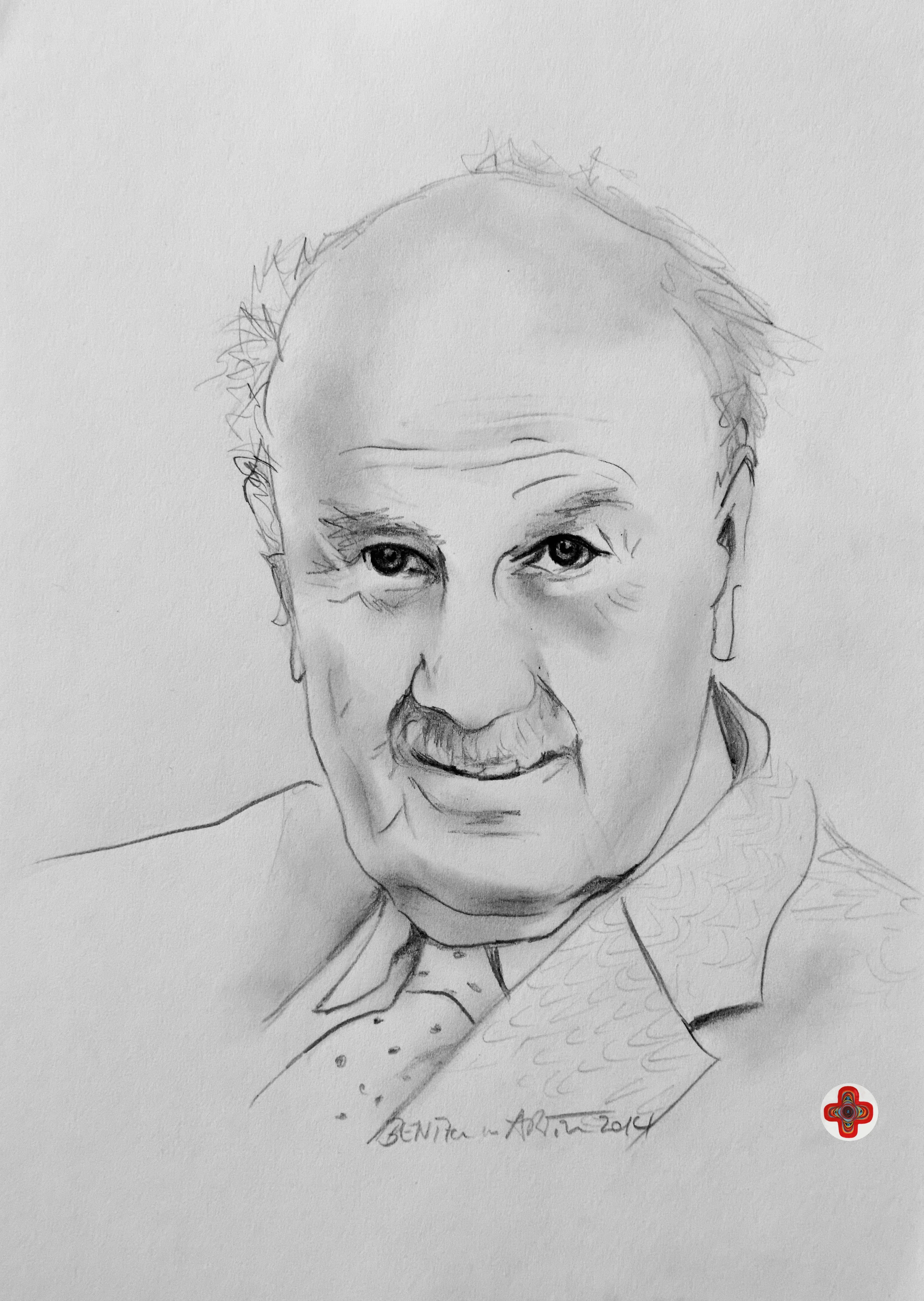
Image from Wikipedia
Image from Wikipedia
Alfred Gunzenhauser: The Gallerist Who Created a Museum of Renown with Vision, Courage, and a Passion for Collecting
A Life Devoted to Art: Alfred Gunzenhauser Between Gallery, Collection, and Legacy
Alfred Gunzenhauser, born on May 24, 1926, in Heidenheim an der Brenz and died on November 16, 2015, in Munich, is considered one of the defining German gallerists and art collectors of the 20th century. For over five decades, he built a private collection that today is regarded as one of the most significant in Germany and forms the foundation of the Gunzenhauser Museum in Chemnitz. His life path intertwines art historical judgment, collecting perseverance, and the rare will to transform private passion into public cultural substance. ([de.wikipedia.org](https://de.wikipedia.org/wiki/Alfred_Gunzenhauser?utm_source=openai))
Background and Early Influences
Gunzenhauser grew up as the youngest scion of a Swabian entrepreneurial family and early found his way into the world of art. He gained his first experiences in the art trade at the Gerd Rosen Gallery, which opened in 1945 on Berlin's Kurfürstendamm as the first gallery in Germany after World War II. This early proximity to post-war art, the reestablishment of the cultural sector, and the mechanisms of the market profoundly shaped his perspective on the quality, provenance, and significance of a work. ([de.wikipedia.org](https://de.wikipedia.org/wiki/Alfred_Gunzenhauser?utm_source=openai))
The Gallerist as Connoisseur, Mediator, and Pace-Setter
The young art dealer became a significant gallerist in Munich, who not only sold works but also set aesthetic standards. The Tagesspiegel describes Gunzenhauser as someone who collected art as much as he collected opinions and scrutinized his visitors with almost childlike curiosity regarding taste and judgment. This is more than just an anecdote; it reflects a gallerist who understood the art business as a dialogue and consistently prioritized the quality of a work over mere market trends. ([tagesspiegel.de](https://www.tagesspiegel.de/kultur/galerist-alfred-gunzenhauser-ein-museum-tragt-seinen-namen-10660639.html?utm_source=openai))
His gallery was not a neutral sales space, but rather a place of selection and curatorial signature. Gunzenhauser ensured that his favored works found good homes, combining market insight with an almost museological attitude towards art. It was this connection between trade and collection that solidified his position in the German art scene. ([tagesspiegel.de](https://www.tagesspiegel.de/kultur/galerist-alfred-gunzenhauser-ein-museum-tragt-seinen-namen-10660639.html?utm_source=openai))
The Collection as Life’s Work
Alongside his activity as a gallerist, Gunzenhauser assembled a private collection of 20th-century works that condensed into an extraordinary corpus over nearly 50 years. The Gunzenhauser Museum today houses over 3,000 works by 270 artists and focuses on art around 1900, Expressionism, New Objectivity, and Abstraction in the 20th century. This thematic breadth alone demonstrates how consistently Gunzenhauser collected artistic development lines rather than fashionable individual positions. ([kunstsammlungen-chemnitz.de](https://www.kunstsammlungen-chemnitz.de/museum-gunzenhauser/?utm_source=openai))
Particularly strong is the collection with Otto Dix and Alexej von Jawlensky. The Gunzenhauser Museum boasts one of the largest collections of Otto Dix globally; the collection also includes an exceptionally significant group of works by Jawlensky, Gabriele Münter, Willi Baumeister, Conrad Felixmüller, Ernst Wilhelm Nay, Horst Antes, and Johannes Grützke. Kunstsammlungen Chemnitz and contemporary reports emphasize that Gunzenhauser not only collected here but created a panorama of German modernism of extraordinary density. ([collections.kunstsammlungen-chemnitz.de](https://collections.kunstsammlungen-chemnitz.de/sammlungen/sammlung-gunzenhauer?utm_source=openai))
Chemnitz as a Curatorial Decision with Foresight
The decisive step came in 2003 when Gunzenhauser signed an agreement for the permanent presentation of his collection in Chemnitz. Other cities such as Dresden, Leipzig, Potsdam, Stuttgart, and Weimar had also expressed interest, but Chemnitz was awarded the contract. This decision turned out to be a cultural and political stroke of luck: in 2007, the Gunzenhauser Museum opened there, a collector’s museum of international standing and a central location for the art of Classical Modernity in Germany. ([de.wikipedia.org](https://de.wikipedia.org/wiki/Museum_Gunzenhauser?utm_source=openai))
The magnitude of this donation has been called a "star hour" in the press. Depending on the source, the transfer included more than 2,300 to over 2,400 works; today, Kunstsammlungen Chemnitz speaks of more than 3,000 works from the Gunzenhauser collection. Regardless of the exact count, the cultural-historical significance is clear: a private lifetime achievement was transformed into a publicly accessible museum, thereby securing it permanently for research, the public, and urban development. ([welt.de](https://www.welt.de/print-welt/article249831/Chemnitz-bekommt-Sammlung-Gunzenhauser.html?utm_source=openai))
Style, Taste, and Collector Profile
Gunzenhauser's collection does not follow a random accumulation principle but rather a clear focus on figurative painting of Classical Modernity and its differentiation into Expressionism, New Objectivity, and Abstraction. Kunstsammlungen Chemnitz highlights that although his focus was on figurative painting, the collection also encompasses important protagonists of abstraction. His authority as a collector lies precisely in this tension between personal taste and historical relevance. ([kunstsammlungen-chemnitz.de](https://www.kunstsammlungen-chemnitz.de/en/ausstellungen/die-abstrakten/?utm_source=openai))
The collection thus not only traces names but also aesthetic conflict lines. Works by artists of Die Brücke, Der Blaue Reiter, and post-war modernism stand side by side, presenting a sharply defined image of 20th-century German art history. Gunzenhauser proved to be a collector who could read developments before they were canonized in museums. ([kunstsammlungen-chemnitz.de](https://www.kunstsammlungen-chemnitz.de/en/ausstellungen/neue-sachlichkeit-kunst-in-der-weimarer-republik/?utm_source=openai))
Reception, Significance, and Cultural Influence
The reception of Gunzenhauser's life work oscillates between art historical recognition and cultural-political symbolism. The Tagesspiegel and other media described the opening of the collection in Chemnitz as one of the rare instances where private collecting directly translates into publicly impactful art history. The fact that the museum is now considered a key address for German Expressionism and New Objectivity is largely due to his consistent collecting approach. ([tagesspiegel.de](https://www.tagesspiegel.de/kultur/ausstellungen/der-osten-leuchtet-1581727.html?utm_source=openai))
Even posthumously, his name remains present, not only through the museum but also through a biography published in 2023 and ongoing presentations of the collection. This demonstrates an unusual form of cultural authority: Gunzenhauser is not just a name behind a donation but a reference point for the perception and mediation of modern art in Germany. His legacy continues in exhibitions, catalogs, and the everyday work of the museum. ([tagesspiegel.de](https://www.tagesspiegel.de/kultur/galerist-alfred-gunzenhauser-ein-museum-tragt-seinen-namen-10660639.html?utm_source=openai))
Current Projects and Publications
Since Alfred Gunzenhauser passed away in 2015, there are no new artistic publications or projects in the strict sense. However, the Gunzenhauser Museum remains active with new presentations of the collection, thematic exhibitions, and scholarly educational work. In this sense, his work is not concluded but institutionally continued. ([kunstsammlungen-chemnitz.de](https://www.kunstsammlungen-chemnitz.de/museum-gunzenhauser/?utm_source=openai))
Discography, Hits, and Charts?
As a gallerist and art collector, Alfred Gunzenhauser does not have a musical discography, hit singles, or chart placements. Those seeking a classic music biography will encounter a different but equally culturally significant type of life's work: not recordings, but collection building, museum history, and art historical impact. This shift is precisely what makes his figure interesting, as it shows how strong cultural influence can arise even beyond the stage and sound recordings. ([de.wikipedia.org](https://de.wikipedia.org/wiki/Alfred_Gunzenhauser?utm_source=openai))
Conclusion: A Collector with Lasting Influence
Alfred Gunzenhauser remains fascinating because he accomplished the rare feat of transforming individual passion into public significance. He was a gallerist, collector, and museum founder all in one, a connoisseur with an instinctive eye for quality and a cultural actor who gifted an entire city a museum-worthy legacy. Anyone wishing to understand modernity should experience the Gunzenhauser Museum: not as a monument to a single name, but as a living resonance space of a great collection. ([kunstsammlungen-chemnitz.de](https://www.kunstsammlungen-chemnitz.de/museum-gunzenhauser/?utm_source=openai))
Official Channels of Alfred Gunzenhauser:
- Instagram: No official profile found
- Facebook: No official profile found
- YouTube: No official profile found
- Spotify: No official profile found
- TikTok: No official profile found
Sources:
- Wikipedia – Alfred Gunzenhauser
- Kunstsammlungen Chemnitz – Gunzenhauser Museum
- Kunstsammlungen Chemnitz – Digital Collection / Gunzenhauser Museum
- Tagesspiegel – The Gallerist Alfred Gunzenhauser: A Museum Bears His Name
- Tagesspiegel – New Museums: The East Shines
- Kunstsammlungen Chemnitz – Otto Dix / Collection Dr. Alfred Gunzenhauser
- Kunstsammlungen Chemnitz – Biography of Dr. Alfred Gunzenhauser
- Mitteldeutsche Zeitung – The Art Collector Alfred Gunzenhauser Has Died
- Wikipedia: Image and text source