
Mainz
Neue Universitätsstraße 2, 55116 Mainz-Proviantmagazin, Deutschland
German Cabaret Archive | Opening Hours & Parking
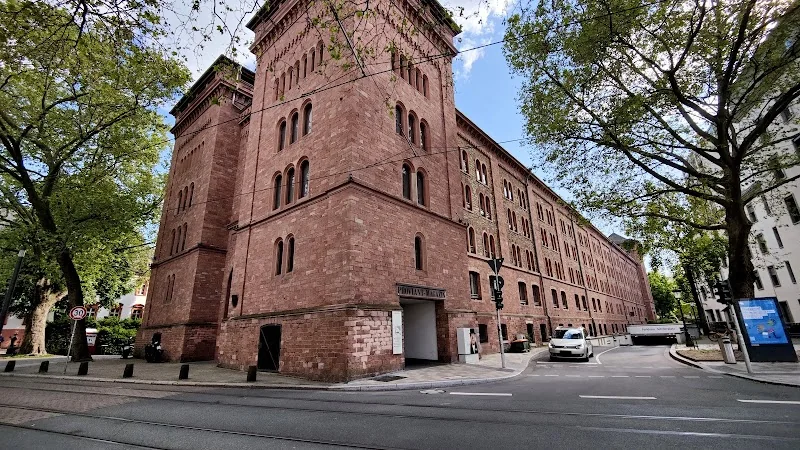
The German Cabaret Archive in Mainz is not an ordinary museum and not just an archive, but a cultural venue with a distinctive profile. In the historic provisioning magazine on Neue Universitätsstraße, the institution combines archive, museum, and stage into a single vibrant whole. Those who come here encounter not only the history of German cabaret but also its present: in exhibitions, events, research collections, and in an environment that makes the satirical art form experienceable with astonishing closeness. This very mix makes the house attractive for visitors, culture enthusiasts, researchers, and people specifically searching for german cabaret archive mainz, german cabaret archive photos, foundation german cabaret archive, or practical information on opening hours, directions, and parking. Mainz tourism describes the house as an integral part of the cultural landscape, while the official site explicitly brings together the three functions of archive, museum, and stage. This creates a place that does not separate knowledge, memory, and live experience, but intertwines them. ([kabarett.de](https://kabarett.de/))
Archive, Museum, and Stage in the Provisioning Magazine
The strongest unique selling point of the German Cabaret Archive is the connection of collection, mediation, and performance at one location. The archive sees itself as a treasure chamber for documents, photographs, posters, manuscripts, and audio recordings; at the same time, the museum showcases the history and the most important personalities of cabaret in exhibitions that range from the beginnings to the present. Regular events take place on the stage, ranging from readings to cabaret and comedy nights to interviews and chanson performances. This makes the house not just a storage place but an active resonance space for satirical art and cultural memory. Visitors experience the content not abstractly behind glass, but in an atmosphere characterized by closeness, dialogue, and changing impulses. The official description also emphasizes that the stage has an intimate atmosphere and a bar complements the stay, further enhancing the character of the house as a meeting place. The provisioning magazine with its historical presence fits this mix of tradition and present: a place that carries history while simultaneously enabling new cultural moments. For those searching for german cabaret archive photos, it is also important that the collection goes far beyond individual exhibits and includes images, graphics, and memorabilia from many decades. Thus, the archive becomes a place where cabaret is not only documented but its impact is immediately comprehensible. ([kabarett.de](https://kabarett.de/))
History since 1961 and the Foundation German Cabaret Archive
The history of the German Cabaret Archive begins with Reinhard Hippen and October 25, 1961. On this date, the official history of the house starts in Mainz, which emerged from a private collecting passion and gradually developed into a unique institution nationwide. Hippen initially collected materials from personal interest in cabaret; over the years, the early shoeboxes and private storage places became a systematically growing collection. Later, this became an institution that documents the cultural heritage of cabaret up to the present. In the 1990s, the structures were professionalized, and in 1998, the state of Rhineland-Palatinate and the city of Mainz signed a foundation agreement, from which the Foundation German Cabaret Archive emerged. This development is important because it explains why the house can still work scientifically and culturally today: The foundation creates the legal and organizational basis for collection, research, exhibition, and programming. Official texts from the archive also emphasize that the German Cabaret Archive is the only institution in Germany that has systematically dedicated itself to the documentation of cabaret since 1961. This gives it its special authority. Therefore, those searching for foundation german cabaret archive find not just a club name but the organizational form of a house that emerged from a private passion and has since become a fixed reference point in German cabaret and satire history. ([kabarett.de](https://kabarett.de/archiv-geschichte-hippen))
Opening Hours, Directions, and Parking at Schillerplatz
For practical planning of a visit, the current times and routes are the most important. The German Cabaret Archive opens on Mondays, Tuesdays, and Thursdays from 09:00 to 17:00 and on Fridays from 09:00 to 14:30; it is closed on Wednesdays. The tourism page of Mainz and the current program brochure also make it clear that individual event formats and special dates may vary monthly. Those arriving by car should follow the house's advice and park in the Schillerplatz parking garage. Access is possible via Schillerstraße into Neue Universitätsstraße or via Kleine Langgasse into Neue Universitätsstraße. Particularly convenient: the underground garage is open continuously, and the exit leads directly out at the provisioning magazine. Additionally, the Brunfels Hotel on Münsterstraße 3 is mentioned as an alternative parking option. For those arriving by public transport, the Schillerplatz stop is the best orientation; from there, it is only about 100 meters or about four minutes on foot. The archive also points out that it is only about a five-minute walk or two stops from the main train station. Another important point is navigation: the postal address is not always suitable for navigation, which is why the specific reference to the parking garage and Schillerplatz is particularly helpful. So, those searching for german cabaret archive parking or german cabaret archive directions find the most reliable information here. Especially in an inner-city location like Mainz, it is worth checking these details in advance so that the visit begins relaxed and does not end with a long search. ([kabarett.de](https://kabarett.de/wp-content/uploads/2025/12/Deutsches-Kabarettarchiv_-PROGRAMM-2026.pdf))
Photos, Posters, and Research: the Collection of the Cabaret Archive
Those interested in german cabaret archive photos are usually not just looking for a nice image but for the material core of the house. This is precisely where the great strength of the archive lies. The official Mainz page describes the collections as densely filled with manuscripts, typescripts, photos, posters, directing books, audio recordings, scores, caricatures, certificates, and estates of well-known cabaret artists, authors, singers, and stages. The archive is therefore not just a collection of objects but a memory space of the entire art form. Additionally, the archive is accessible to everyone upon prior request and within regular opening hours. This is explicitly aimed at visitors, researchers, and journalists. The collection thus offers real added value for people who want to delve into cabaret history, theater history, satire research, or media culture. The official collection page also makes it clear how large and diverse the holdings are; there, books, audio recordings, posters, and other materials are visible as the supporting pillars of the house. Particularly appealing is that the archive not only documents finished stage art but also its workshop sides: designs, sketches, notes, and personal items allow insights into thought processes, working methods, and life paths. Thus, a photo becomes not just a nice memento but a historical document with context. For guests, this diversity is also interesting because it explains why the house functions as a museum as well as a research place. It shows cabaret not just as entertainment but as a cultural form with political, aesthetic, and biographical depth. ([mainz.de](https://www.mainz.de/angebote-entdecken/kultur/bibliotheken-und-archive/bibliotheken___archive_aktuell/inhaltsseiten/kabarettarchiv))
Program, Tours, and Changing Exhibitions
The German Cabaret Archive does not only live from its collections but also from its program. Mainz tourism refers to exclusive events such as readings, cabaret and comedy nights, interviews, and chanson performances. These evenings are complemented by tours, lectures, and changing exhibitions that prepare cabaret-related topics in a light-hearted, reflective, but always informative and entertaining manner. The current program brochure also makes it clear that the place knows different formats: Apéro-Cabaret during the blue hour, Open Sunday, special tours, and changing stage evenings. This is important for the visitor because the archive thus remains not a static place but regularly offers new occasions for a visit. Especially those searching for german cabaret archive program or german cabaret archive tours should know that the dates change monthly, making a look at the event calendar worthwhile. It is also interesting that the cabaret bar may be open, keeping the character of a small, personal stage. This mix of culture and hospitality makes the visit particularly pleasant. The event formats are often thematically linked to exhibitions, allowing the collection and present to complement each other. Thus, an exhibition about the Golden Twenties, about satire on television, or about individual artist personalities can be directly expanded by an evening on stage. This creates a cultural-historical tour that not only imparts knowledge but also generates atmosphere. Those visiting Mainz and preferring to experience culture in a lively format rather than in rigid showcase logic will find one of the most exciting addresses in the city here. ([mainz-tourismus.com](https://www.mainz-tourismus.com/entdecken-erleben/kultur-erleben/museen/deutsches-kabarettarchiv))
Walk of Fame of Cabaret and the Award as a Place of Democracy History
The special profile of the location Mainz includes not only the provisioning magazine itself but also the environment around Romano-Guardini-Platz and the so-called Walk of Fame of Cabaret. The program brochure explains that visitors can follow a digital audio walk there via QR code and choose from 83 star holders. This form of mediation connects memory culture with modern, low-threshold technology and makes the public space itself part of the museum. Also important is the classification of the house as a place of historical significance for democracy. The German Cabaret Archive has been awarded by the Federal Foundation Places of German Democracy History as a memorial site, highlighting its role far beyond mere entertainment culture. Cabaret here is not just a joke but also critical public discourse, linguistic art, and cultural engagement. It fits that the archive has been regularly presenting new exhibitions, awards, and programs since 2024 or 2025 and remains visible in Mainz's urban life. Additionally, the institution maintains a second location in Bernburg an der Saale, where the history of GDR cabaret is documented. This shows that the work of the archive is geographically and historically broader than a single house in Mainz. For visitors, this means: entering the German Cabaret Archive in Mainz means entering not just a museum but a network of collection, research, mediation, and memory. This very multi-layeredness makes the place so interesting for people seeking meaning, context, and atmosphere, not just an address. ([kabarett.de](https://kabarett.de/wp-content/uploads/2025/12/Deutsches-Kabarettarchiv_-PROGRAMM-2026.pdf))
In summary, the German Cabaret Archive is a place for all who want not just to consume cabaret but to understand it. The combination of archive, museum, and stage, the historical location in the provisioning magazine, the clear visitor guidance via Schillerplatz, and the diverse program make the house a special address in Mainz. Those interested in cabaret history, photos, posters, estates, or current events will find a house here that brings together past and present with palpable passion. And therein lies its appeal: it not only preserves the art of cabaret but keeps it alive, open, and accessible. ([kabarett.de](https://kabarett.de/))
Sources:
Mehr anzeigenWeniger anzeigen
German Cabaret Archive | Opening Hours & Parking
The German Cabaret Archive in Mainz is not an ordinary museum and not just an archive, but a cultural venue with a distinctive profile. In the historic provisioning magazine on Neue Universitätsstraße, the institution combines archive, museum, and stage into a single vibrant whole. Those who come here encounter not only the history of German cabaret but also its present: in exhibitions, events, research collections, and in an environment that makes the satirical art form experienceable with astonishing closeness. This very mix makes the house attractive for visitors, culture enthusiasts, researchers, and people specifically searching for german cabaret archive mainz, german cabaret archive photos, foundation german cabaret archive, or practical information on opening hours, directions, and parking. Mainz tourism describes the house as an integral part of the cultural landscape, while the official site explicitly brings together the three functions of archive, museum, and stage. This creates a place that does not separate knowledge, memory, and live experience, but intertwines them. ([kabarett.de](https://kabarett.de/))
Archive, Museum, and Stage in the Provisioning Magazine
The strongest unique selling point of the German Cabaret Archive is the connection of collection, mediation, and performance at one location. The archive sees itself as a treasure chamber for documents, photographs, posters, manuscripts, and audio recordings; at the same time, the museum showcases the history and the most important personalities of cabaret in exhibitions that range from the beginnings to the present. Regular events take place on the stage, ranging from readings to cabaret and comedy nights to interviews and chanson performances. This makes the house not just a storage place but an active resonance space for satirical art and cultural memory. Visitors experience the content not abstractly behind glass, but in an atmosphere characterized by closeness, dialogue, and changing impulses. The official description also emphasizes that the stage has an intimate atmosphere and a bar complements the stay, further enhancing the character of the house as a meeting place. The provisioning magazine with its historical presence fits this mix of tradition and present: a place that carries history while simultaneously enabling new cultural moments. For those searching for german cabaret archive photos, it is also important that the collection goes far beyond individual exhibits and includes images, graphics, and memorabilia from many decades. Thus, the archive becomes a place where cabaret is not only documented but its impact is immediately comprehensible. ([kabarett.de](https://kabarett.de/))
History since 1961 and the Foundation German Cabaret Archive
The history of the German Cabaret Archive begins with Reinhard Hippen and October 25, 1961. On this date, the official history of the house starts in Mainz, which emerged from a private collecting passion and gradually developed into a unique institution nationwide. Hippen initially collected materials from personal interest in cabaret; over the years, the early shoeboxes and private storage places became a systematically growing collection. Later, this became an institution that documents the cultural heritage of cabaret up to the present. In the 1990s, the structures were professionalized, and in 1998, the state of Rhineland-Palatinate and the city of Mainz signed a foundation agreement, from which the Foundation German Cabaret Archive emerged. This development is important because it explains why the house can still work scientifically and culturally today: The foundation creates the legal and organizational basis for collection, research, exhibition, and programming. Official texts from the archive also emphasize that the German Cabaret Archive is the only institution in Germany that has systematically dedicated itself to the documentation of cabaret since 1961. This gives it its special authority. Therefore, those searching for foundation german cabaret archive find not just a club name but the organizational form of a house that emerged from a private passion and has since become a fixed reference point in German cabaret and satire history. ([kabarett.de](https://kabarett.de/archiv-geschichte-hippen))
Opening Hours, Directions, and Parking at Schillerplatz
For practical planning of a visit, the current times and routes are the most important. The German Cabaret Archive opens on Mondays, Tuesdays, and Thursdays from 09:00 to 17:00 and on Fridays from 09:00 to 14:30; it is closed on Wednesdays. The tourism page of Mainz and the current program brochure also make it clear that individual event formats and special dates may vary monthly. Those arriving by car should follow the house's advice and park in the Schillerplatz parking garage. Access is possible via Schillerstraße into Neue Universitätsstraße or via Kleine Langgasse into Neue Universitätsstraße. Particularly convenient: the underground garage is open continuously, and the exit leads directly out at the provisioning magazine. Additionally, the Brunfels Hotel on Münsterstraße 3 is mentioned as an alternative parking option. For those arriving by public transport, the Schillerplatz stop is the best orientation; from there, it is only about 100 meters or about four minutes on foot. The archive also points out that it is only about a five-minute walk or two stops from the main train station. Another important point is navigation: the postal address is not always suitable for navigation, which is why the specific reference to the parking garage and Schillerplatz is particularly helpful. So, those searching for german cabaret archive parking or german cabaret archive directions find the most reliable information here. Especially in an inner-city location like Mainz, it is worth checking these details in advance so that the visit begins relaxed and does not end with a long search. ([kabarett.de](https://kabarett.de/wp-content/uploads/2025/12/Deutsches-Kabarettarchiv_-PROGRAMM-2026.pdf))
Photos, Posters, and Research: the Collection of the Cabaret Archive
Those interested in german cabaret archive photos are usually not just looking for a nice image but for the material core of the house. This is precisely where the great strength of the archive lies. The official Mainz page describes the collections as densely filled with manuscripts, typescripts, photos, posters, directing books, audio recordings, scores, caricatures, certificates, and estates of well-known cabaret artists, authors, singers, and stages. The archive is therefore not just a collection of objects but a memory space of the entire art form. Additionally, the archive is accessible to everyone upon prior request and within regular opening hours. This is explicitly aimed at visitors, researchers, and journalists. The collection thus offers real added value for people who want to delve into cabaret history, theater history, satire research, or media culture. The official collection page also makes it clear how large and diverse the holdings are; there, books, audio recordings, posters, and other materials are visible as the supporting pillars of the house. Particularly appealing is that the archive not only documents finished stage art but also its workshop sides: designs, sketches, notes, and personal items allow insights into thought processes, working methods, and life paths. Thus, a photo becomes not just a nice memento but a historical document with context. For guests, this diversity is also interesting because it explains why the house functions as a museum as well as a research place. It shows cabaret not just as entertainment but as a cultural form with political, aesthetic, and biographical depth. ([mainz.de](https://www.mainz.de/angebote-entdecken/kultur/bibliotheken-und-archive/bibliotheken___archive_aktuell/inhaltsseiten/kabarettarchiv))
Program, Tours, and Changing Exhibitions
The German Cabaret Archive does not only live from its collections but also from its program. Mainz tourism refers to exclusive events such as readings, cabaret and comedy nights, interviews, and chanson performances. These evenings are complemented by tours, lectures, and changing exhibitions that prepare cabaret-related topics in a light-hearted, reflective, but always informative and entertaining manner. The current program brochure also makes it clear that the place knows different formats: Apéro-Cabaret during the blue hour, Open Sunday, special tours, and changing stage evenings. This is important for the visitor because the archive thus remains not a static place but regularly offers new occasions for a visit. Especially those searching for german cabaret archive program or german cabaret archive tours should know that the dates change monthly, making a look at the event calendar worthwhile. It is also interesting that the cabaret bar may be open, keeping the character of a small, personal stage. This mix of culture and hospitality makes the visit particularly pleasant. The event formats are often thematically linked to exhibitions, allowing the collection and present to complement each other. Thus, an exhibition about the Golden Twenties, about satire on television, or about individual artist personalities can be directly expanded by an evening on stage. This creates a cultural-historical tour that not only imparts knowledge but also generates atmosphere. Those visiting Mainz and preferring to experience culture in a lively format rather than in rigid showcase logic will find one of the most exciting addresses in the city here. ([mainz-tourismus.com](https://www.mainz-tourismus.com/entdecken-erleben/kultur-erleben/museen/deutsches-kabarettarchiv))
Walk of Fame of Cabaret and the Award as a Place of Democracy History
The special profile of the location Mainz includes not only the provisioning magazine itself but also the environment around Romano-Guardini-Platz and the so-called Walk of Fame of Cabaret. The program brochure explains that visitors can follow a digital audio walk there via QR code and choose from 83 star holders. This form of mediation connects memory culture with modern, low-threshold technology and makes the public space itself part of the museum. Also important is the classification of the house as a place of historical significance for democracy. The German Cabaret Archive has been awarded by the Federal Foundation Places of German Democracy History as a memorial site, highlighting its role far beyond mere entertainment culture. Cabaret here is not just a joke but also critical public discourse, linguistic art, and cultural engagement. It fits that the archive has been regularly presenting new exhibitions, awards, and programs since 2024 or 2025 and remains visible in Mainz's urban life. Additionally, the institution maintains a second location in Bernburg an der Saale, where the history of GDR cabaret is documented. This shows that the work of the archive is geographically and historically broader than a single house in Mainz. For visitors, this means: entering the German Cabaret Archive in Mainz means entering not just a museum but a network of collection, research, mediation, and memory. This very multi-layeredness makes the place so interesting for people seeking meaning, context, and atmosphere, not just an address. ([kabarett.de](https://kabarett.de/wp-content/uploads/2025/12/Deutsches-Kabarettarchiv_-PROGRAMM-2026.pdf))
In summary, the German Cabaret Archive is a place for all who want not just to consume cabaret but to understand it. The combination of archive, museum, and stage, the historical location in the provisioning magazine, the clear visitor guidance via Schillerplatz, and the diverse program make the house a special address in Mainz. Those interested in cabaret history, photos, posters, estates, or current events will find a house here that brings together past and present with palpable passion. And therein lies its appeal: it not only preserves the art of cabaret but keeps it alive, open, and accessible. ([kabarett.de](https://kabarett.de/))
Sources:
Upcoming Events

Apéro – Cabaret at Blue Hour

Grischek / Lübke: Breadless. But Art.
P ART – the Gallery Crawl at the German Cabaret Archive
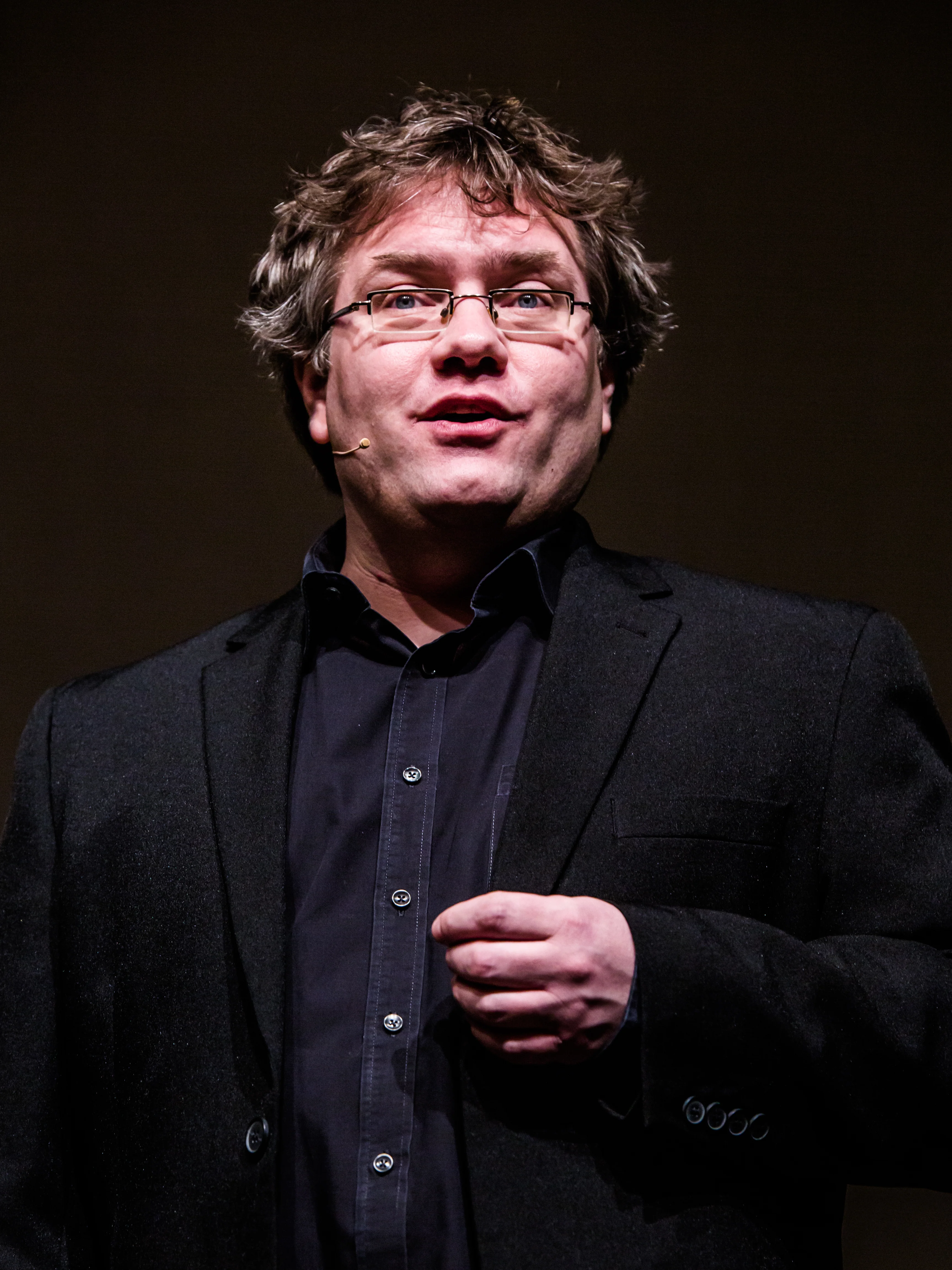
Matthias Reuter: Spot Gift Exchange

Finissage with the Small Tea Dance Syndicate
Frequently Asked Questions
Reviews
Baba Ji
3. April 2026
Beware of scams! The place is just a cellar vault with old posters, 2-3 rooms. They even want an entrance fee, and not a small one. The height of it: For a quick inquiry about the well-being of an (acquainted) employee, they even charged me! Absolute cheek! Not recommended!
Bettina Link
20. May 2024
For the "regular visitor," the entertaining exhibitions and events are probably more interesting than the "archive"... Fortunately, there's a small bistro with delicious coffee and drinks, as well as cakes or snacks depending on the occasion. In the same building is the Carnival Museum, which I also recommend.
P.M. H.
23. December 2025
Interesting place with a very good, empathetic lecture. And at the counter, there was not just the usual theater sweets and pretzels, but really good potato salad and also filled rolls.
W. Link
7. September 2025
"Benjamin, I have nothing to wear." Great exhibition with fun, culture, and depth.
Andreas Bode
17. September 2023
We visited the event with Nessie Tausendschön at the German Cabaret Archive. A beautiful little venue in old walls, lovingly designed and run. The staff is also extremely friendly, and the service is impeccable. Thank you for the lovely evening.